
News
Industry trends, market developments, and technological advances
Stay updated with FPSO, FLNG, and floating energy project news as it happens.
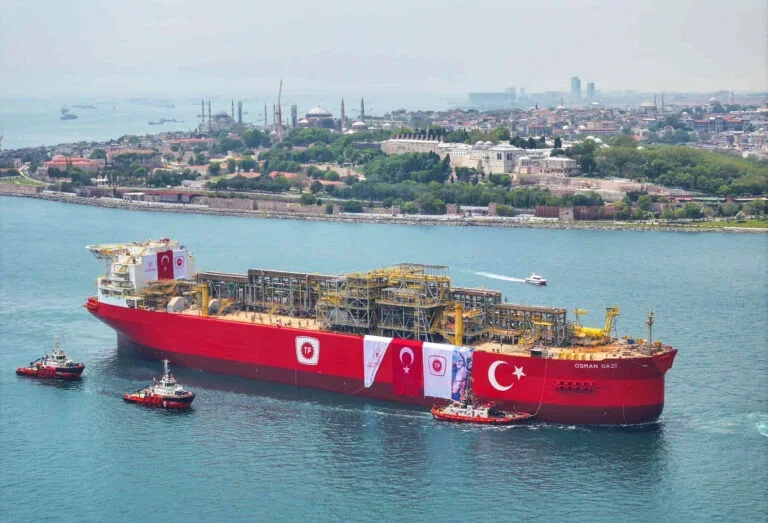
Saipem awarded commissioning contract for the Osman Gazi FPU
Saipem has secured a contract from GOE Petrol Sanayi to provide commissioning services for the Osman Gazi Floating Production Unit (FPU), supporting the development of the Sakarya gas field in the Turkish Black Sea. The award follows an earlier Operation Readiness & Assurance contract and further strengthens Saipem's role in one of Türkiye's most important offshore energy developments.
The Osman Gazi FPU is expected to process up to 10.5 million m³/day of natural gas, helping increase production from the Sakarya field and supporting Türkiye's energy security objectives.
#Saipem #FPU #Sakarya #BlackSea #Offshore #GasProduction #Commissioning #OperationalReadiness #FloatersIntelligentia
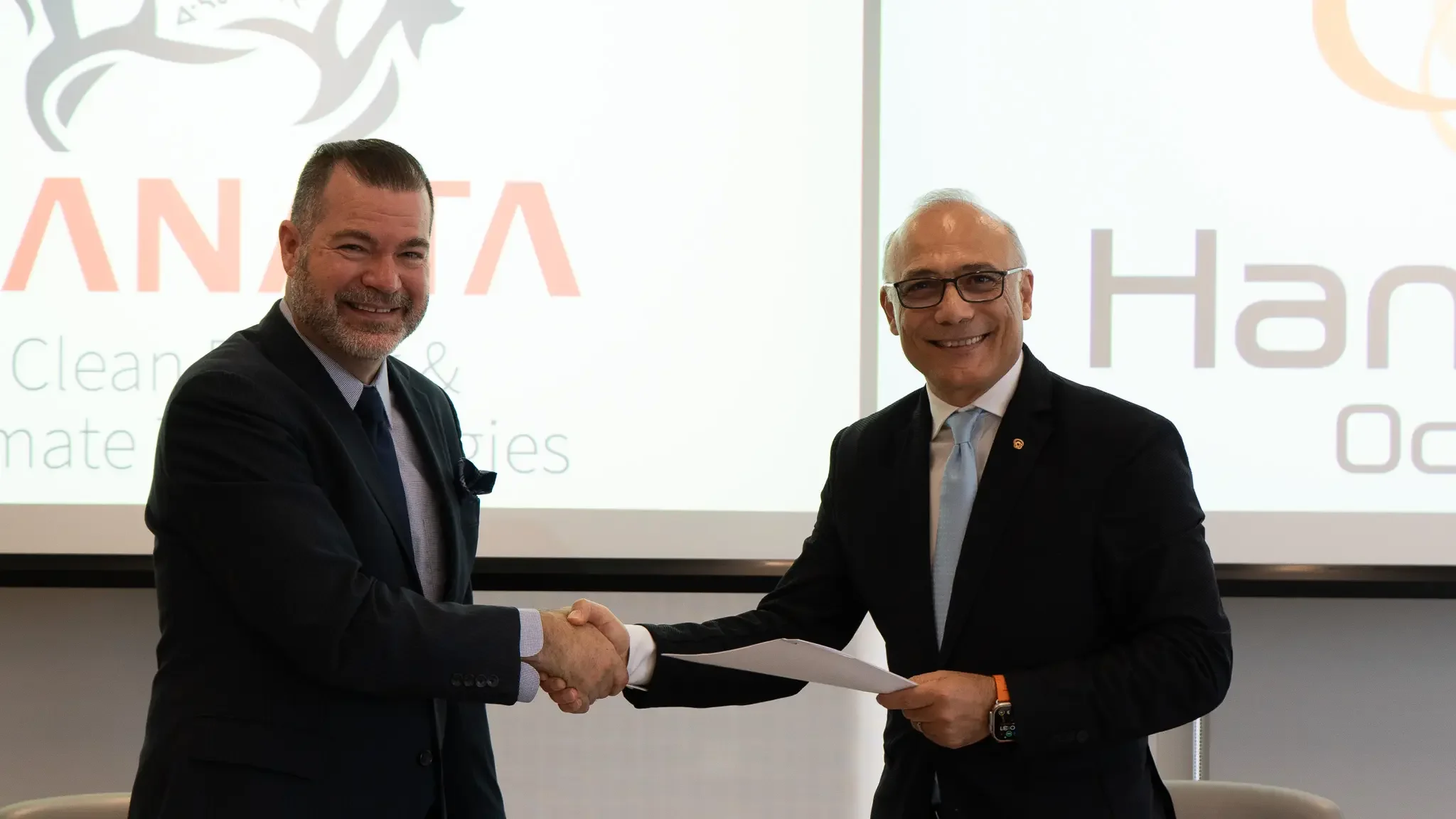
Another vote of confidence for FLNG in Canada.
Hanwha Ocean has signed an MOU with Kanata Clean Power & Climate Technologies Corp. to explore cooperation on the proposed 12 MTPA Kanata LNG project near Prince Rupert, British Columbia.
What's particularly interesting is not the project itself, but what it signals.
Following the progress of Cedar LNG, Kanata LNG further reinforces the view that FLNG is becoming a credible development model for Canada. In a country characterized by stringent environmental requirements, labor shortages, remote locations, and high construction costs, floating liquefaction offers compelling advantages through modular construction, reduced onsite workforce requirements, and a smaller onshore footprint.
The involvement of Hanwha Ocean adds further credibility. The company already gained valuable FLNG experience through its work on PETRONAS' floating LNG projects and is now positioning itself for the next generation of FLNG developments.
If Cedar LNG proved that FLNG can work in Canada, Kanata LNG may help demonstrate that it can be scaled.
#FLNG #LNG #CanadaLNG #HanwhaOcean #KanataLNG #CedarLNG #OffshoreEnergy #FloatersIntelligentia
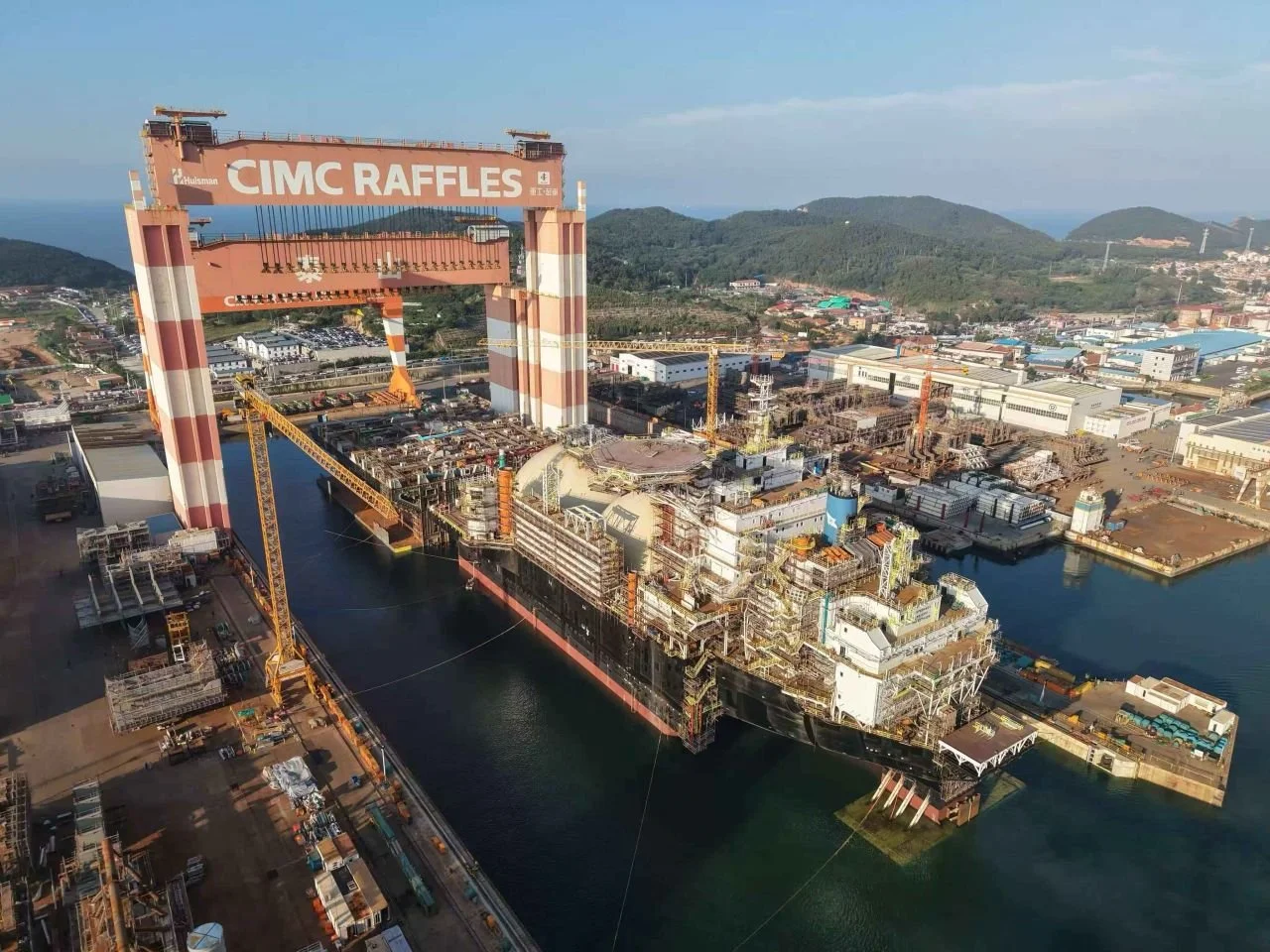
Two milestones, one clear trend.
🔹 Wison has started construction of Eni's Baleine Phase 3 FPSO with the first steel cut ceremony in China.
🔹 Golar's FLNG Esperanza continues to progress at CIMC Raffles, while Golar has already placed an order for a second MKII FLNG at the same yard.
Although one project is an FPSO and the other an FLNG, both highlight the same industry trend: Chinese yards are becoming key players in the delivery of complex floating energy assets.
#FPSO #FLNG #ENI #GolarLNG #Wison #CIMCRaffles #OffshoreEnergy #OilAndGas #FloatingProduction #LNG #ProjectManagement #FloatersIntelligentia
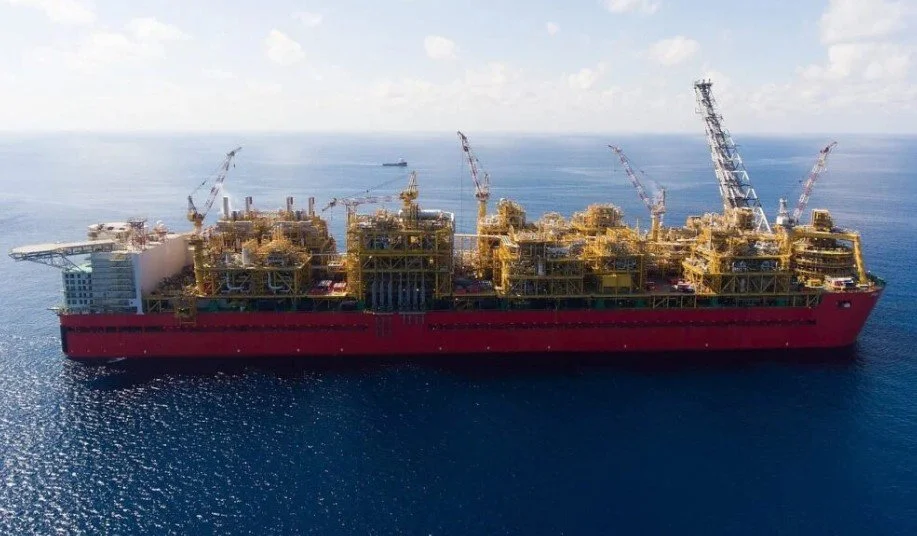
🚢 Is DMR Making a Comeback in FLNG?
A recent announcement caught my attention: Wison New Energies has signed a collaboration agreement with Shell to integrate Shell's Dual Mixed Refrigerant (DMR) technology into future FLNG solutions. Until now, Shell's DMR process had primarily been associated with Shell-equity projects, most notably Prelude FLNG, and had never been widely available to the broader FLNG market. Sources: Wison New Energies (31 Aug 2026); Offshore Energy (31 Aug 2026).
The move is intriguing because it appears to challenge the dominant trend we've seen in recent FLNG developments.
Over the last decade, many new FLNG projects have favored Single Mixed Refrigerant (SMR) technology. Projects such as Genting FLNG, Eni's Nguya FLNG and Golar’s FLNG fleet followed this philosophy, reflecting the industry's preference for compact, practical, and cost-effective offshore solutions.
So why revisit DMR?
DMR offers several advantages that become increasingly attractive as project capacity grows. What makes this agreement particularly interesting is that it gives Wison a broader technology toolbox:
• SMR for simplicity and compactness
• DMR for efficiency and larger-scale developments
As FLNG technology continues to mature, are we witnessing the start of a shift from the industry's recent "SMR by default" mindset?
I would be interested to hear the views of LNG process engineers, operators, and FLNG developers.
#FLNG #LNG #OffshoreEnergy #FloatingLNG #GasProcessing #ProcessEngineering #Shell #Wison #EnergyTransition #FloatersIntelligentia #OffshoreEngineering #PreludeFLNG #LiquefactionTechnology
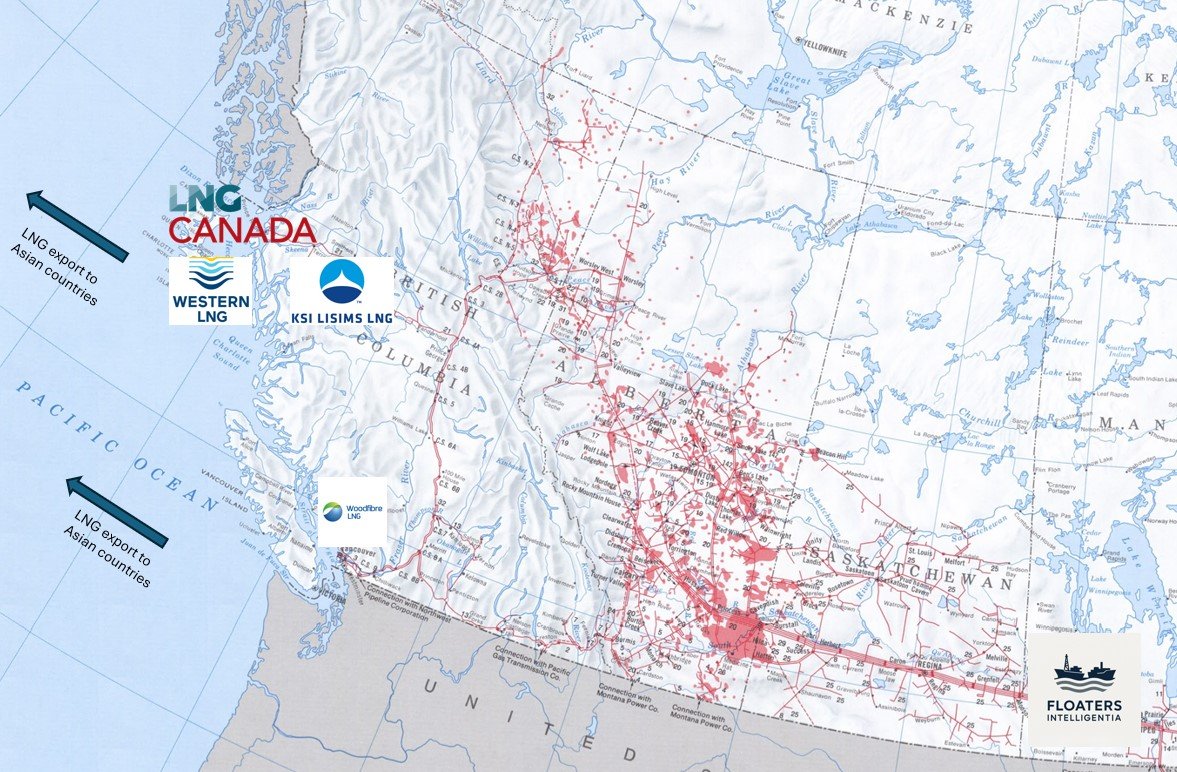
Is Canada creating the world's first truly midstream-driven FLNG market?
Most FLNG projects are built to monetize offshore gas fields.
Canada is doing something different.
🔹 449 Tcf of marketable gas resources in the Montney basin
🔹 Existing pipeline infrastructure connecting Alberta and British Columbia
🔹 Access to low-carbon hydropower
🔹 Growing LNG demand across Asia-Pacific
🔹 Indigenous-led project development
The result is a new generation of projects where floating liquefaction facilities act as an extension of the midstream network rather than an upstream field development solution.
An equally interesting observation is that Canada's FLNG ambitions are relying heavily on Korean expertise.
With global LNG demand projected to reach 630-718 MTPA by 2040, driven largely by Asia, Canada may be uniquely positioned to connect abundant gas resources with growing Pacific Basin demand.
Canada is about transforming one of the world's largest gas resource bases into export opportunities through pipelines, hydropower, Indigenous partnerships, and floating liquefaction.
Could British Columbia become the global benchmark for low-carbon FLNG development?
#FLNG #LNG #Canada #CedarLNG #KsiLisimsLNG #WesternLNG #LNGCanada #SamsungHeavyIndustries #HanwhaOcean #Montney #Energy #Offshore #Shipbuilding #FloatersIntelligentia
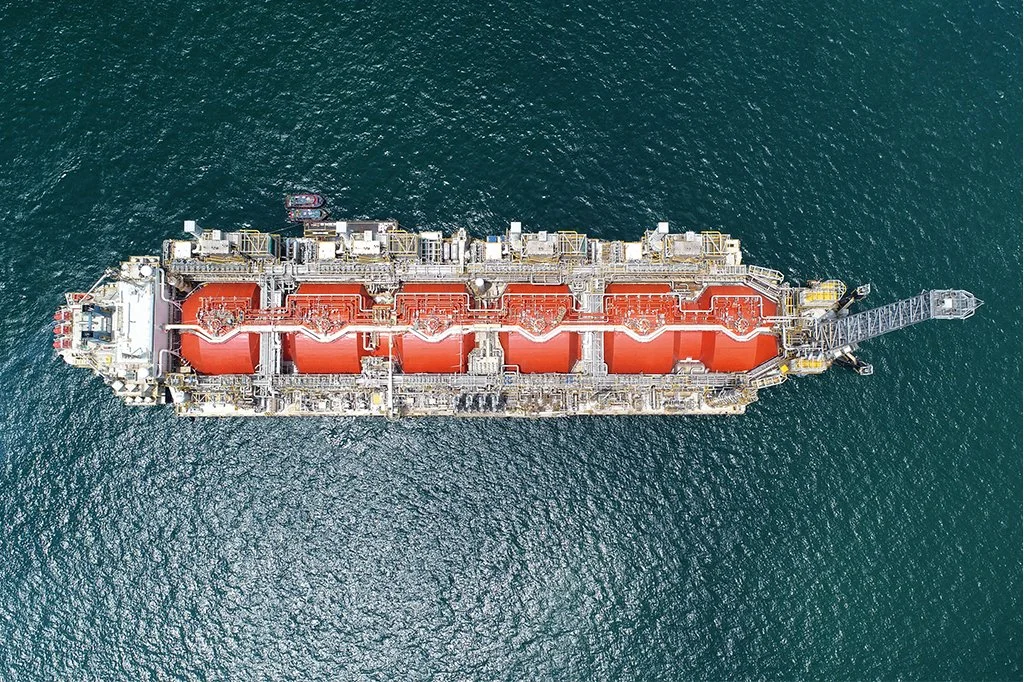
Golar LNG is quietly building something unique in the offshore industry: a fleet of leased FLNG assets.
With Hilli and Gimi already operating, Esperanza under construction, and a fourth FLNG recently awarded to CIMC Raffles, the company has established a scalable model based on redeployable midstream FLNGs.
By focusing on LNG liquefaction and receiving already treated gas from upstream facilities, Golar reduces complexity, improves flexibility, and creates assets that can potentially move from one project to another.
We've explored this strategy and its implications for the future of floating LNG in this latest article.
#FLNG #LNG #GolarLNG #OffshoreEnergy #FloatingLNG #EnergyInfrastructure #GasMonetization #OffshoreEngineering #Shipbuilding #OilAndGas #MaritimeIndustry #ProjectManagement #CIMCRaffles #FloatersIntelligentia
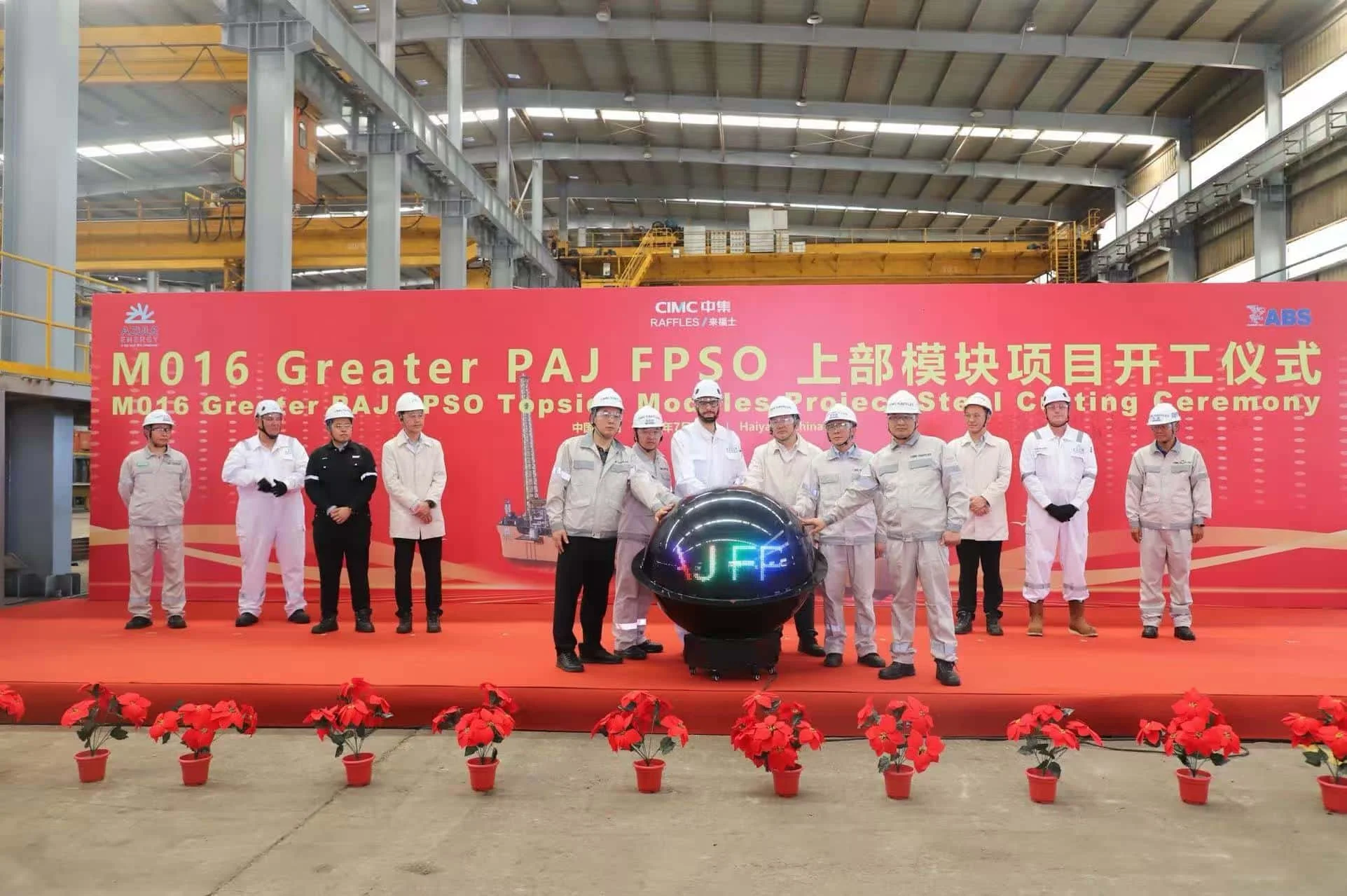
From First Steel to Sail Away: Is China Becoming the Center of Gravity for Floaters?
The past few weeks have seen a remarkable concentration of FPSO and FSO milestones:
Greater PAJ FPSO achieved first steel cut
Kaiping South FPSO, continues construction
FSO PTSC Lac Da Vang sailed away
North Hub (Geng North) FPSO entered construction.
MODEC's Gato do Mato FPSO forward hull section departed for final integration
At first glance, these projects span Angola, Brazil, Indonesia, Vietnam, and the South China Sea. Yet they all tell the same story.
China is increasingly becoming the global hub for FPSO, FSO, and FLNG execution.
What started as a fabrication advantage has evolved into full EPCIC capability, with Chinese companies now leading engineering, procurement, integration, commissioning, and even technology development. From CIMC Raffles and COOEC to OceanSTAR Elite, Chinese players are moving up the value chain and winning larger shares of the global floater market.
The latest headlines are about where the world's next generation of floating production assets is being built. Increasingly, the answer is China.
#FPSO #FLNG #FSO #Offshore #OffshoreEnergy #FloatingProduction #China #CIMCRaffles #COOEC #OceanSTAR #MODEC #Azule #Yinson #ENI #Petronas #FloatersIntelligentia
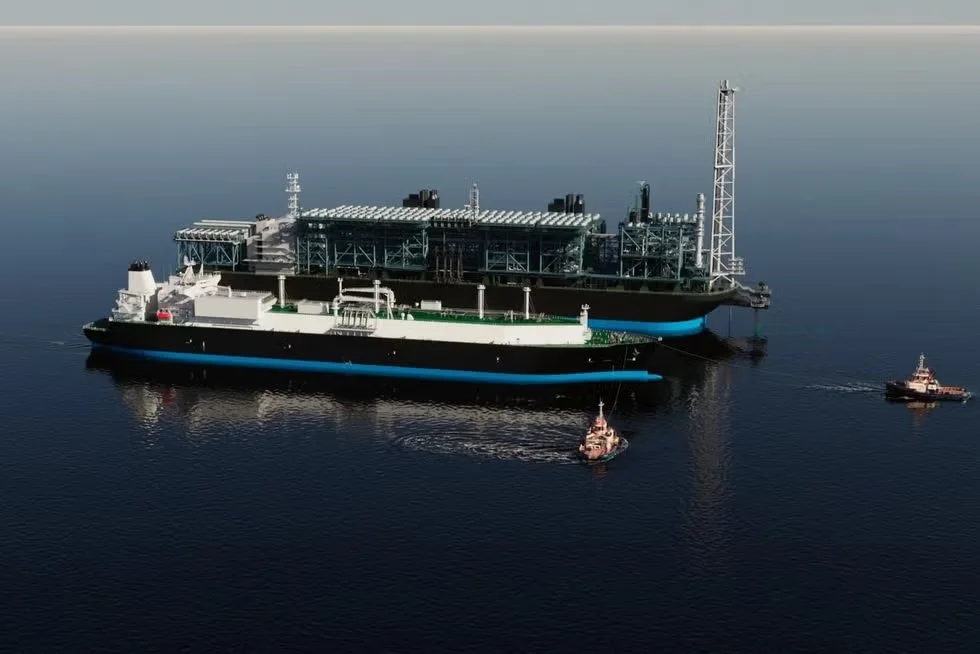
Over the past two weeks, the floater market has delivered a series of signals that point in the same direction. ENI has sanctioned the Baleine Phase 3 FPSO, Delfin has reached FID for its FLNG project in the United States, and Petrobras has awarded two large FPSOs to SBM Offshore. Together, these developments show how the industry is evolving.
What is emerging is a market splitting between standardized, industrial FPSO programs, more flexible phased developments, and a new generation of scalable FLNG concepts. But the most important shift is how the competitive advantage is moving away from engineering design and toward execution: the ability to deliver projects efficiently, replicate solutions, and bring assets online without delays.
Success will belong to those who can consistently deliver, integrate, and start up these complex floaters faster and more reliably than the competition.
#FPSO #FLNG #Offshore #Energy #Engineering #Eni #Delfin #Petrobras #SBM #SHI
🚢 LNG, Coal, and the Rise of Floaters: The 2035 Reality
Global energy is shifting from scarcity to abundance. LNG supply is set to surge, yet demand isn’t fading — it’s shifting.
🔹 Marine fuel:
LNG bunkering demand is ~4 Mt in 2025 and will double by 2030 as dual‑fuel vessels multiply.
With LNG exports rising from 4.4 Tcf (2024) to 9.8 Tcf by 2037, availability will remain strong.
🔹 Power generation:
Coal still dominates electricity: ~34% globally, with China >55%, India ~78% fossil‑based, and Germany still ~21% coal.
Switching coal → LNG can cut CO₂ emissions by more than half, as natural gas emits 976 lb CO₂/MWh vs 2,257 lb from coal.
🌊 The Floater Advantage in a Price‑Cycle World
As LNG and oil move into periodic oversupply/undersupply cycles, operators need assets that adapt fast.
FPSOs and FLNG units excel because they are:
Flexible — quickly brought online in new basins.
Redeployable — shifted between fields as economics change.
Cycle‑resistant — ideal when price volatility demands shorter payback and mobility.
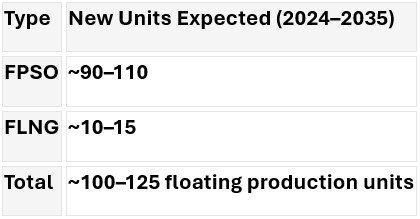
By 2035, we could see 100–125 new units deployed globally — the largest floater expansion ever.
In a market defined by price swings, flexibility wins. And floaters are flexibility.
Argentina’s LNG ambitions took a major step forward on February 12th 2026 as YPF, Eni, and XRG signed a binding Joint Development Agreement (JDA) to advance the Argentina LNG project—an integrated initiative designed to unlock the vast potential of the Vaca Muerta shale basin, one of the world’s most promising unconventional gas resources.
According to multiple official communications, the agreement marks a critical milestone toward Final Investment Decision (FID) targeted for 2H 2026.
The Argentina LNG project is set to deliver: 12 million tons per annum (MTPA) of LNG capacity via two floating LNG (FLNG) units, each with 6 MTPA capacity. This project will be fully integrated across upstream production, processing, transportation and liquefaction infrastructure.
This scale positions Argentina to become one of the leading global LNG exporters, reshaping the country’s long term energy export capabilities.
The JDA formalizes the full entry of XRG, the international gas investment arm also connected with ADNOC's global energy strategy. Their inclusion strengthens the consortium’s technical and financial depth, enhancing the project’s viability in global markets.
The agreement initiates the next development phase:
-FEED and technical structuring
-Commercial framework development
-Financing workstreams
For the FLNG community, this project is particularly notable: it combines large-scale shale gas monetization with floating liquefaction—a model increasingly relevant for speed, flexibility, and reduced onshore footprint.
It could become one of the largest FLNG-based export systems ever deployed.
🔍 LNG2026 in Doha — Key Highlights & the Only Floater‑Relevant Update
The LNG2026 Conference in Doha (Feb 2–5, 2026) brought together delegates from 80+ countries and 300+ companies, confirming its role as the world’s largest LNG event.
⚡ Market & Strategy
QatarEnergy CEO Saad Sherida Al‑Kaabi announced LNG capacity rising from 77 to 120 MTPA, supported by an expanding fleet targeting 200 LNG carriers.
🚢 Floater‑Relevant Highlight
The only major technology with implications for FLNG/FSRU was the announcement that GTT’s NEXT1 containment system received ABS General Design Approval at LNG2026.
Dual metallic membranes (Mark III + NO96)
Ultra‑low BOR 0.07% V/D
PU‑foam insulation for improved thermal performance
Earlier approvals from BV and Lloyd’s Register reinforce NEXT1’s readiness.
👉 NEXT1 is such a major step forward for future FLNG containment architecture that I will publish a dedicated article soon to explain why this technology matters so much for offshore LNG.
🌐 Geopolitics
Security concerns led major Japanese and European buyers to reduce or skip attendance.
➡️ Next Edition
LNG2029 will take place in Brisbane, Australia.
🚢 First Cargo from Nguya FLNG: Eni Quietly Becomes the World’s FLNG Powerhouse
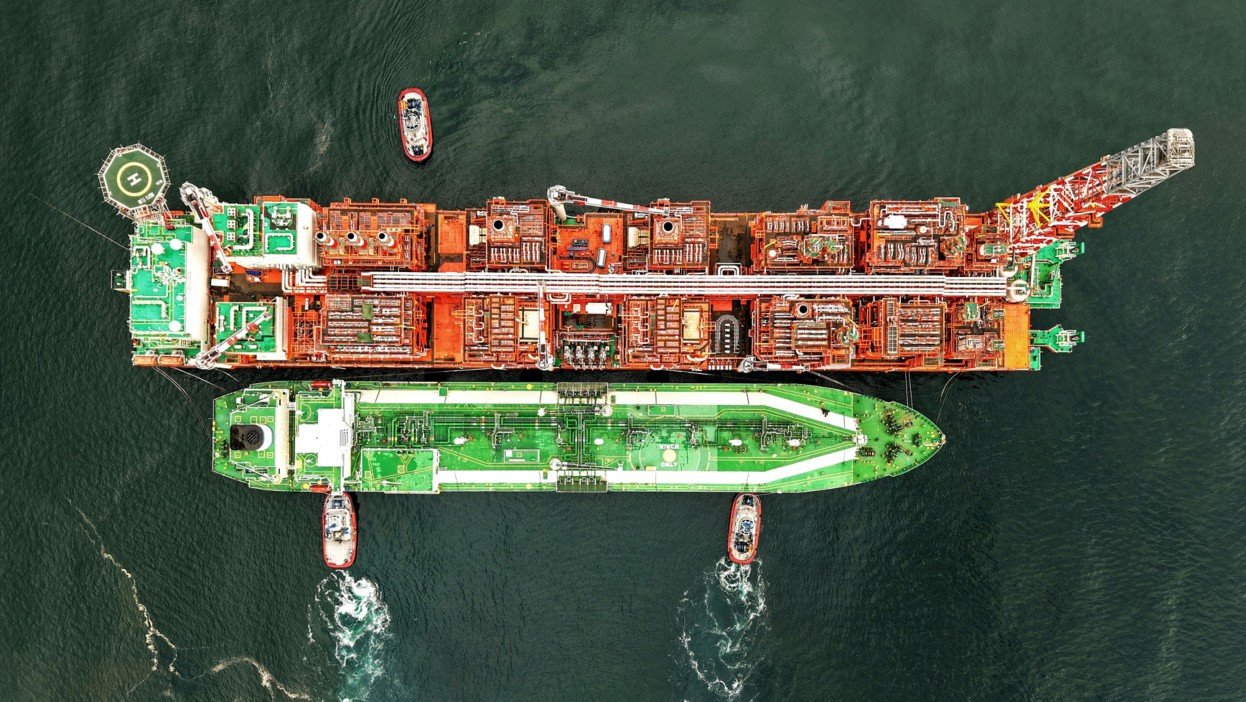
The first LNG cargo from Nguya FLNG marks more than a project milestone, it signals a structural shift in the global FLNG landscape.
With Nguya now online, Eni has surpassed 6 MTPA of liquefaction capacity produced entirely from FLNG assets, a scale unmatched by any other operator.
The portfolio now includes:
-Coral Sul FLNG (Mozambique, operational)
-Tango FLNG (Congo, operational)
-Nguya FLNG (Congo, operational)
-Coral North FLNG (Mozambique, under construction)
And the trajectory is even more striking. Once Coral North FLNG enters service, expected by 2028, Eni’s floating liquefaction capacity will rise to ~10 MTPA, consolidating its position as the largest FLNG operator globally.
This is more than capacity growth. It’s a demonstration of:
-Strategic use of modular, relocatable liquefaction
-Acceleration of gas monetization in frontier basins
-A replicable model for nations seeking rapid LNG deployment
-A shift in the competitive balance between floating and onshore LNG
FLNG is no longer a niche. It’s becoming a central pillar of global LNG supply, and Eni is writing the playbook.
🚢 Coral Norte FLNG Takes to the Water — A Turning Point for the Global FLNG Market 🌍
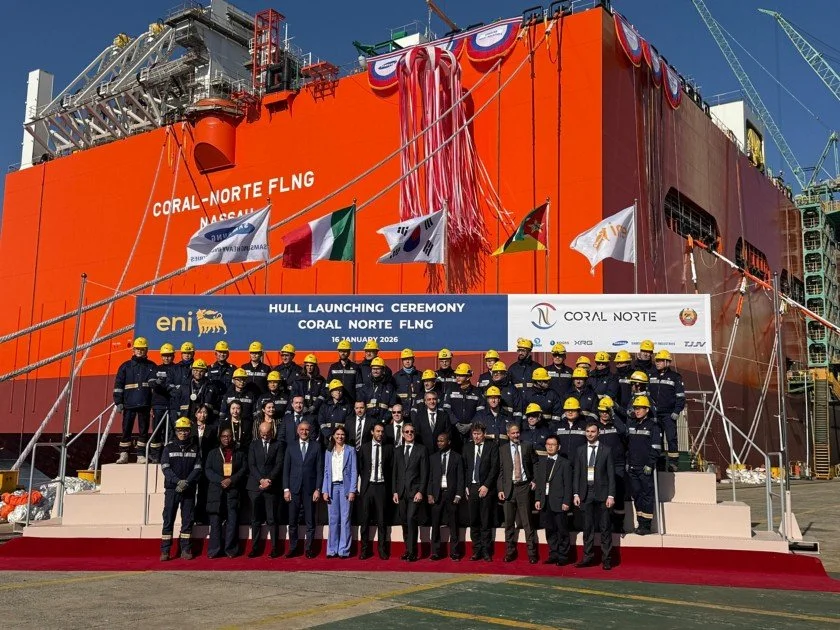
Launch of the Eni's Coral Norte FLNG on January 16th 2026 at Samsung Heavy Industries’ Geoje shipyard marks far more than a construction milestone — it signals a new era for the global FLNG industry.
With 3.6 MTPA of liquefaction capacity and delivery planned for 2028, Coral Norte builds directly on the successful Coral Sul FLNG, which has already delivered over 135 LNG cargoes since 2022.
🔁 From One‑Off Megaprojects to Replication
Historically, FPSOs and FLNGs were bespoke engineering giants — but rare carbon‑copy successes like Kizomba A/B and Kaombo FPSOs proved the power of replication. Now, with Coral Norte following Coral Sul, we may finally be witnessing the first true series approach in FLNG.
🏗️ SHI & Eni: The Two Emerging Leaders
Samsung Heavy Industries has secured 6 of the 14 FLNG units ever ordered globally, positioning itself as the industry’s premier FLNG builder.
Eni is now the world’s most active FLNG operator, with four units simultaneously in operation or construction, including the newly started Nguya FLNG in Congo.
🌐 Other Key Players
PETRONAS/Golar LNG continue to expand operational and commercial FLNG footprints.
Wison New Energies is emerging as a major shipyard force with its third FLNG under construction for Indonesia.
📈 FLNG Capacity: Now and Toward 2030
Global FLNG capacity is set to triple from 14.1 MTPA (2024) to 55 MTPA by 2030.
🚀 Why This Matters
Coral Norte may become the industry’s first step toward standardization in FLNG — a shift that could lower costs, shorten schedules, reduce risk, and unlock offshore gas plays previously considered uneconomical.
In other words:
FLNG is no longer an experiment. It is becoming an industrial product.
Gastech 2025 Confirms New Energy Trends for the Floaters of the Future
🌍 The future of floating energy is here.
At Gastech 2025, the spotlight was on ammonia, CCS, and modular LNG as the next big drivers for FPSO and FLNG innovation.
✅ Key Highlights:
Ammonia as a marine fuel: Blue for transition, Green for zero-carbon future.
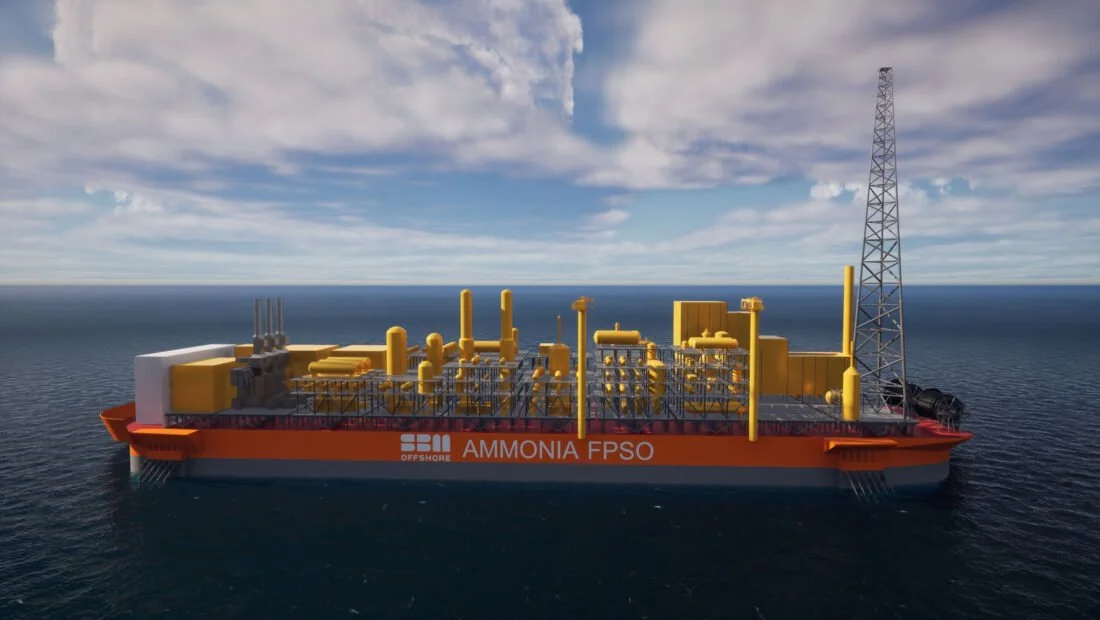
SBM Offshore : Blue Ammonia FPSO + NearZero FPSO with CCS.
Wison New Energies : Green Ammonia FPSO and FLNG partnerships.MODECC: LCO₂ Floating Storage & Injection Unit (FSIU) for offshore CCS.Technip Energiess : SnapLNG™, BlueH₂, and low-carbon ammonia leadership.
💡 Why it matters:
Ammonia is not just a fuel—it’s a hydrogen carrier, a marine decarbonization enabler, and a key pillar of the energy transition.
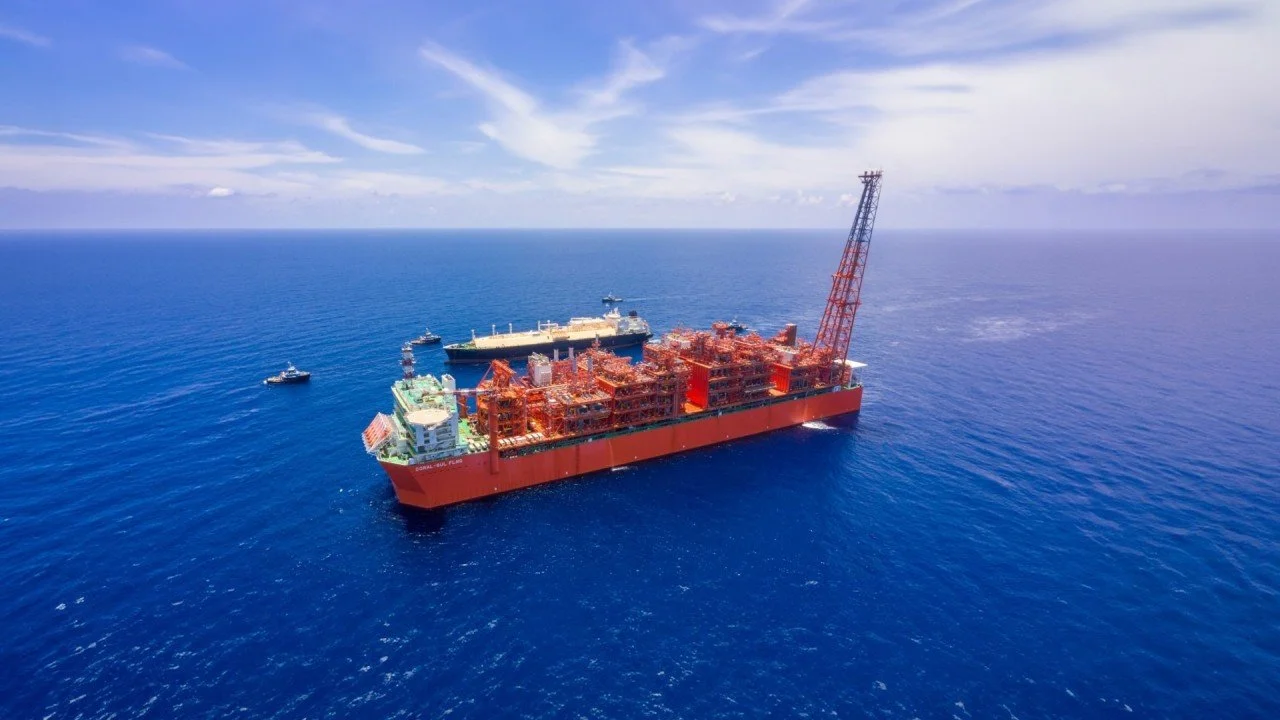
FLNG is no longer being treated as a bespoke project. It is becoming a product.
Nearly every major contractor now offers a standardized FLNG solution, while companies such as Saipem, Samsung Heavy Industries and Hanwha Ocean are investing in proprietary technologies, liquefaction processes and standardized platforms.
The industry has largely answered the question:
"Can FLNG work?"
The new question is:
"Who can deliver it faster, safer and with lower execution risk?"
In this latest Floaters Intelligentia article, we argue that Gastech 2026 may be remembered as the moment FLNG entered its industrialization phase.
#FLNG #LNG #Gastech2026 #OffshoreEnergy #FPSO #Shipbuilding #Engineering #EnergySecurity #FloatersIntelligentia