
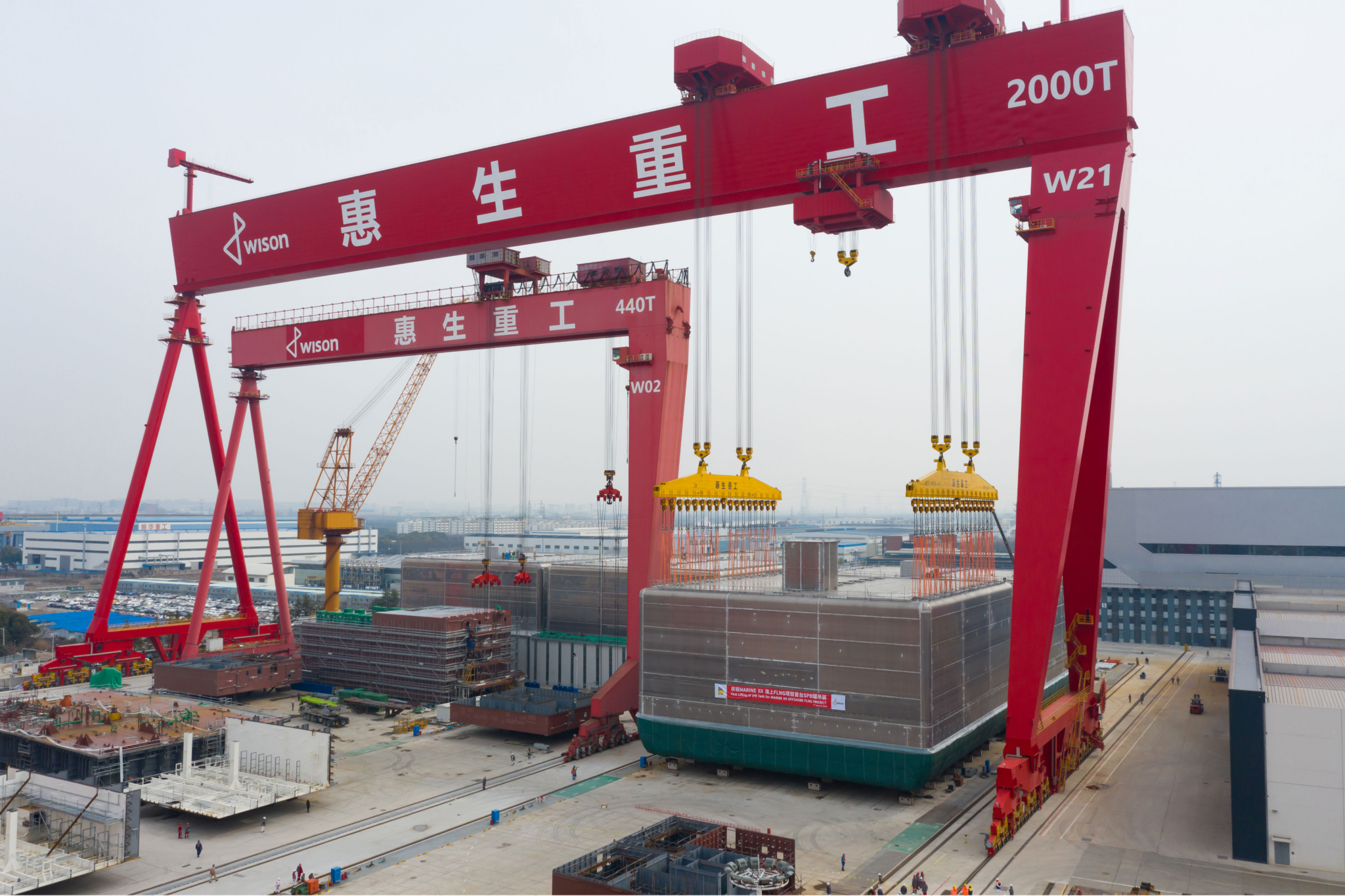
LNG Containment Technologies in FLNG: Comparing GTT, SPB, and MOSS Tanks
🚢 LNG Containment Systems in FLNG: GTT vs SPB vs MOSS (UPDATED FEBRUARY 2026)
As FLNG projects scale globally, the choice of LNG containment technology has become one of the most strategic decisions in project design, EPC execution, and lifecycle performance.
Floaters Intelligentia has just published a fully updated comparison of the three dominant tank technologies used in FLNG units:
🔹 GTT Mark III membrane systems
🔹 SPB (Self‑Supporting Prismatic Type B)
🔹 MOSS spherical tanks
The article examines how each technology impacts:
✅ Construction sequence & yard strategy
✅ Thermal and structural performance
✅ Sloshing resistance and operational envelope
✅ CAPEX, schedule risk, and maintainability
✅ Suitability for newbuild vs conversion FLNG units
Key insights:
✨ GTT membrane systems remain the benchmark for newbuild FLNG thanks to high shape efficiency and parallelized installation (hull completion followed by in‑hold panel installation), supported by a mature global yard ecosystem.
✨ SPB tanks—pioneered by IHI and now featured on Wison’s Nguya FLNG for Eni—demonstrate fast‑track potential at the module level when tanks are fabricated off‑hull and integrated as a package. However, SPB installation sits on the dry‑dock critical path and requires heavy lifts, so the overall schedule advantage depends on yard capability and execution readiness.
✨ MOSS tanks continue to play a vital role in FLNG conversions (e.g., Gimi), offering outstanding sloshing resistance but lower volumetric efficiency, which makes them less common in newbuild FLNG.
This updated piece includes:
📌 A revised technical comparison table
📌 A detailed construction & integration section
📌 Thermal management analysis (cofferdams vs void systems)
📌 A full set of APA‑formatted references
📌 Updated field examples from Prelude, Coral Sul, Coral Norte, PFLNGs, GTA Gimi, Nguya, and Genting FLNG
🔍 If you work in FLNG development, EPC execution, naval architecture, or LNG operations, you’ll find practical insights drawn directly from real projects and shipyard practices.
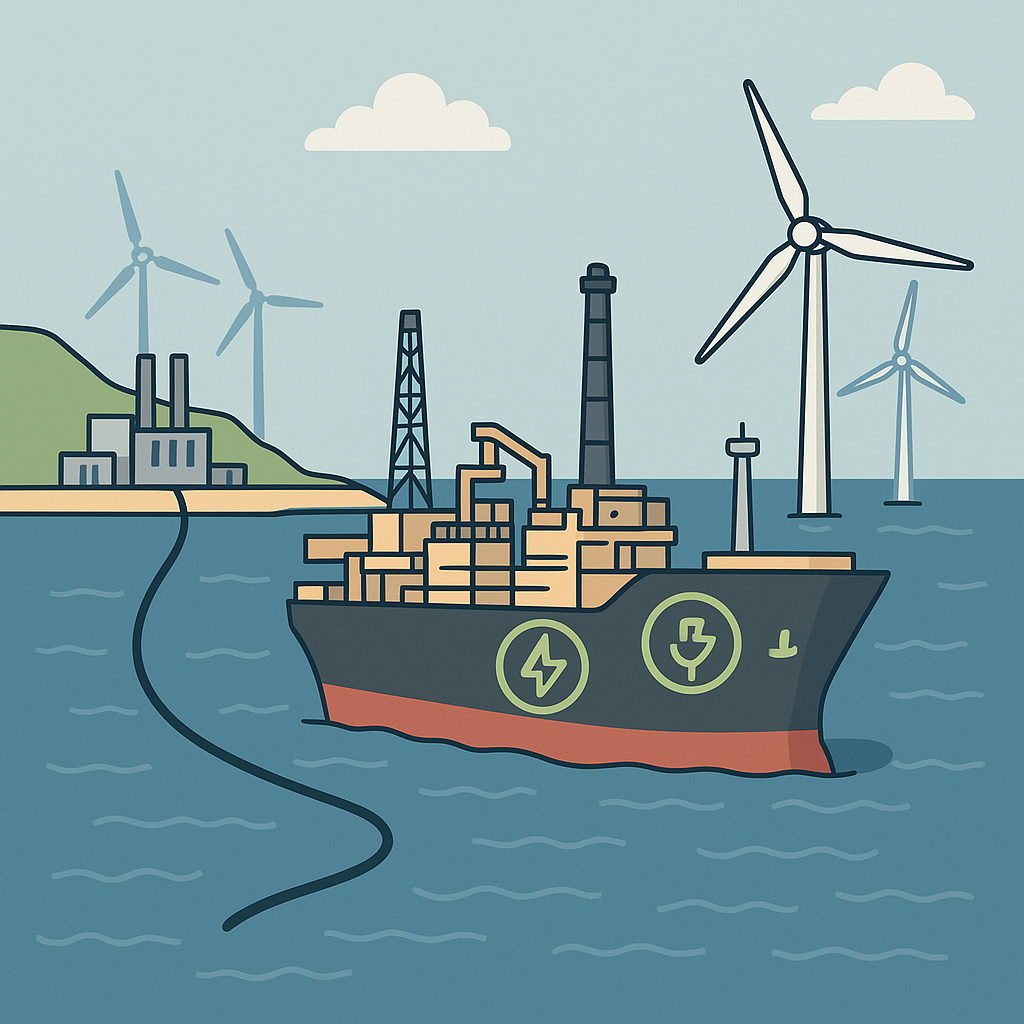
Rethinking Power Generation on FPSOs and FLNGs: The Case for Dual-Fuel Diesel Generators and Shore-Based Electrification
🔌 Rethinking Power Generation on FPSOs & FLNGs
As the offshore industry evolves, so must the way we generate power.
Traditionally, gas turbines have been the default for FPSOs and FLNGs. But with the rise of newbuild barge-shaped hulls and the push for lower emissions, new options are emerging.
⚙️ Why Dual-Fuel Generators?
• Higher efficiency
• Faster load response
• Fuel flexibility (LNG, diesel, biofuels)
• Shorter lead times
• Lower emissions potential
These systems are modular, easier to maintain, and better suited for dynamic offshore operations.
⚡ Electrification from Shore
Projects like Goliat FPSO, Johan Castberg, and Cedar LNG are proving that power-from-shore is not only possible—but powerful.
✅ Zero emissions at point of use
✅ Reduced noise and maintenance
⚠️ Infrastructure cost and grid access remain key challenges
🔮 Looking Ahead
The future of offshore power may lie in hybrid strategies:
• Modular onboard generation
• Clean shore-based electricity
• Alternative fuels
• Smart power management
• Carbon capture integration
💬 Final Thought
There’s no one-size-fits-all solution. Each project has unique constraints and opportunities. As we move toward a lower-carbon future, what mix of technologies do you think offers the best balance of efficiency, resilience, and sustainability?
Let’s discuss. 👇
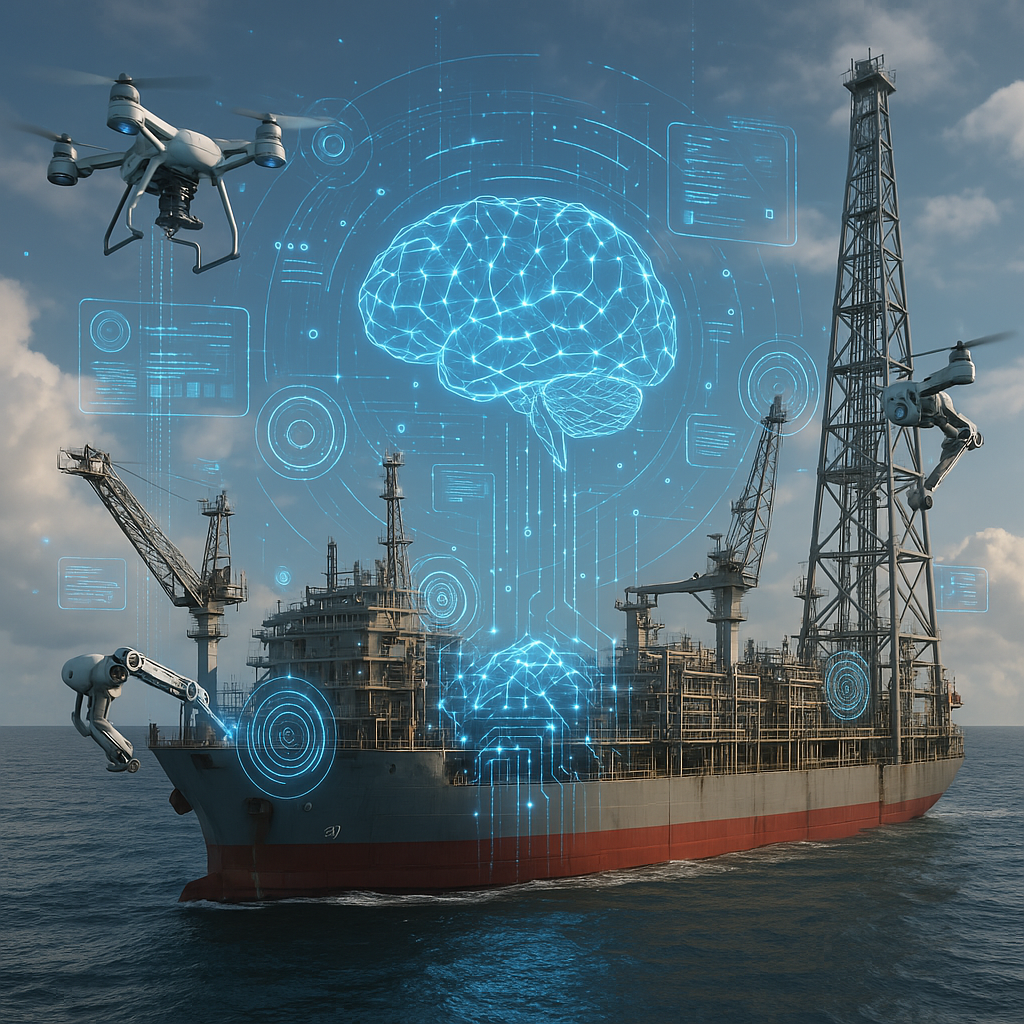
Artificial Intelligence in Floaters - Full Insights
🚢 AI Is Coming Aboard: The Future of Offshore Floaters Is IntelligentAs FPSOs, FLNGs, and FSRUs become more complex and crew sizes shrink, Artificial Intelligence (AI) is emerging as a critical enabler for safe, efficient, and autonomous offshore operations.But deploying AI offshore isn’t plug-and-play. It comes with real challenges: ⚠️ Data scarcity and fragmentation⚠️ Accountability in safety-critical decisions⚠️ Cybersecurity risks⚠️ Legacy system integration⚠️ Cultural and organizational readinessDespite these hurdles, leading contractors are already making bold moves:🔹 Technip Energies is deploying AI-powered digital twins, predictive maintenance, and robotic systems for unmanned operations.🔹 Wison New Energiesis co-developing AI-enabled FLNGs with SUPCON for autonomous, low-carbon performance.🔹 Saipem and AVEVA are building AI-enhanced engineering tools for smarter, faster project delivery.🔹 SBM Offshore and Microsoft are launching AI-enabled floating gas power units with real-time carbon monitoring.🔹 MODEC has spun off a new software company to develop AI platforms for FPSO optimization and remote operations.📊 According to DNV, the AI market in oil & gas is set to grow from $3B in 2024 to $5.2B by 2029. Yet only 15% of operators use AI in live operations today.The opportunity is massive. The transformation is underway.💬 Are you working on AI in offshore or energy transition projects? Let’s connect—I’d love to hear your perspective.