
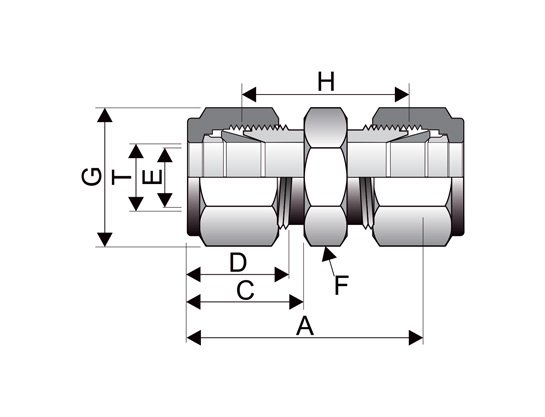
High-Pressure Small Bore Tubing in FPSO and FLNG Facilities Application Context, Standards Alignment, and Execution Control
High-pressure Small Bore Tubing in FPSO & FLNG Facilities
Application Context, Standards Alignment, and Execution Control
In floating production projects, welding piping remains the structural backbone of hydrocarbon processing, supporting by decades of engineering practice under frameworks such as ASME B31.3.
But small bore high-pressure tubing systems are not secondary of informal solutions.
They are structured subsystems applied across:
· Process impulse lines
· Hydraulic and pneumatic controls
· Chemical injection units
· Analyzer and grab sampling systems
· Instrumentation air distribution
And they are governed by defined procurement and installation requirements, including international specifications such as IOGP S-716.
When applied within its intended service envelope, tubing can add value:
· Eliminate field welding within its scope
· Reduce hot-work exposure offshore
· Improve installation flexibility during modular integration
· Support late-stage hook-ups and commissioning activities
In highly constrained FPSO and FLNG environments, particularly during brownfield or SIMOPS conditions, those factors mater.
Tubing systems are not simplified piping, they require:
· Strict single-manufacturer fitting control
· Defined wall thickness of pressure design per ASME B31.3
· Controlled material selection for marine and sour environments
· Installer certification and proper assembly tools
· Defined routing, support spacing, and vibration mitigation
· Structured inspection, PMI, and leak testing
The integrity of a tubing system depends less on welding metallurgy and more on assembly discipline, material compatibility, and specification adherence.
The accompanying article explores how small bore tubing systems fit within the broader engineering framework of floating production assets, not as a shortcut, but as a controlled and specification-driven solution.
In offshore projects, the real conversation is not tubing vs piping. It is selecting the right system for the right service and executing it correctly.
👉 Read the full analysis at link below
#FLNG #FPSO #OffshoreEngineering #EPC #EnergyIndustry #OilAndGas #ProcessPiping #TubingSystems #HighPressureTubing #Commissioning #BrownfieldProjects #MarineConstruction #FloatingProduction #EngineeringLeadership #ProjectManagement #Fabrication #Swagelok #Parker #InstrumentationEngineering #HydraulicSystems #FloatersIntelligentia #Intellis
From Scarcity to Abundance: LNG, Oil, and the Strategic Outlook for Floaters to 2035
🚢 LNG, Coal, and the Rise of Floaters: The 2035 Reality
Global energy is shifting from scarcity to abundance. LNG supply is set to surge, yet demand isn’t fading — it’s shifting.
🔹 Marine fuel:
LNG bunkering demand is ~4 Mt in 2025 and will double by 2030 as dual‑fuel vessels multiply.
With LNG exports rising from 4.4 Tcf (2024) to 9.8 Tcf by 2037, availability will remain strong.
🔹 Power generation:
Coal still dominates electricity: ~34% globally, with China >55%, India ~78% fossil‑based, and Germany still ~21% coal.
Switching coal → LNG can cut CO₂ emissions by more than half, as natural gas emits 976 lb CO₂/MWh vs 2,257 lb from coal.
🌊 The Floater Advantage in a Price‑Cycle World
As LNG and oil move into periodic oversupply/undersupply cycles, operators need assets that adapt fast.
FPSOs and FLNG units excel because they are:
Flexible — quickly brought online in new basins.
Redeployable — shifted between fields as economics change.
Cycle‑resistant — ideal when price volatility demands shorter payback and mobility.
By 2035, we could see 100–125 new units deployed globally — the largest floater expansion ever.
In a market defined by price swings, flexibility wins. And floaters are flexibility.
Read the full article at the link below
#LNG #FPSO #FLNG #EnergyTransition #Decarbonization #Maritime #PowerGeneration #OffshoreEngineering #FloatersIntelligentia #OilAndGas #FutureOfEnergy
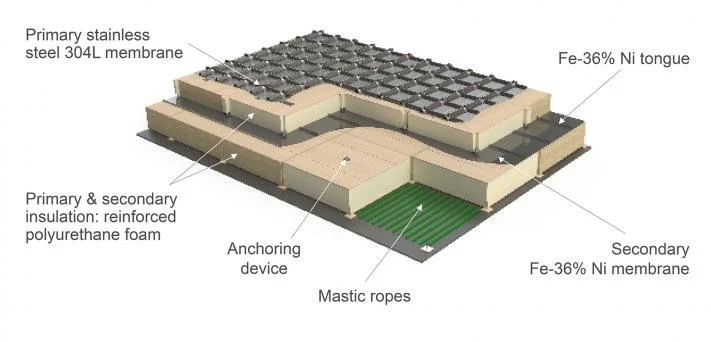
GTT NEXT1: The New Benchmark in LNG Containment Technology
🔥 NEW on Floaters Intelligentia: GTT NEXT1 Changes the Game
GTT’s NEXT1 containment system—now approved by Bureau Veritas and Lloyd’s Register—delivers Mark III Flex+‑level thermal performance (~0.07% BOR) thanks to its dual‑metallic membrane and reinforced PU foam insulation.
Compared to the classic Mark III system used on major FLNGs, which operates around 0.15% BOR, NEXT1 cuts boil‑off nearly in half—a major gain for efficiency and offshore reliability.
In our new deep dive, we also explain why Mark III became more widespread than NO96, despite NO96’s robust metal‑metal design.
👉 Read the full analysis on Floaters Intelligentia article at link below
(thermal performance, system comparison table, and what NEXT1 means for the future of LNG & FLNG)
#LNG #FLNG #MaritimeEngineering #GTT #NEXT1 #MarkIII #NO96 #FloatingLNG #EnergyTransition #Shipbuilding #MarineTechnology #LNGC #OffshoreEngineering #ContainmentSystems #FloatersIntelligentia
LNG2026 in Doha: Key Themes, Market Signals, and the Only Major Floater‑Relevant Technology Reveal
🔍 LNG2026 in Doha — Key Highlights & the Only Floater‑Relevant Update
The LNG2026 Conference in Doha (Feb 2–5, 2026) brought together delegates from 80+ countries and 300+ companies, confirming its role as the world’s largest LNG event.
⚡ Market & Strategy
QatarEnergy CEO Saad Sherida Al‑Kaabi announced LNG capacity rising from 77 to 120 MTPA, supported by an expanding fleet targeting 200 LNG carriers.
🚢 Floater‑Relevant Highlight
The only major technology with implications for FLNG/FSRU was the announcement that GTT’s NEXT1 containment system received ABS General Design Approval at LNG2026.
Dual metallic membranes (Mark III + NO96)
Ultra‑low BOR 0.07% V/D
PU‑foam insulation for improved thermal performance
Earlier approvals from BV and Lloyd’s Register reinforce NEXT1’s readiness.
👉 NEXT1 is such a major step forward for future FLNG containment architecture that I will publish a dedicated article soon to explain why this technology matters so much for offshore LNG.
🌐 Geopolitics
Security concerns led major Japanese and European buyers to reduce or skip attendance.
➡️ Next Edition
LNG2029 will take place in Brisbane, Australia.
#LNG2026 #Doha #QatarEnergy #LNGIndustry #FLNG #FSRU #FloatingLNG #EnergySecurity #GTT #NEXT1 #LNGTechnology #MaritimeInnovation #EnergyTransition #GasMarkets #OffshoreEngineering #Shipbuilding #ContainmentSystems #GlobalEnergy
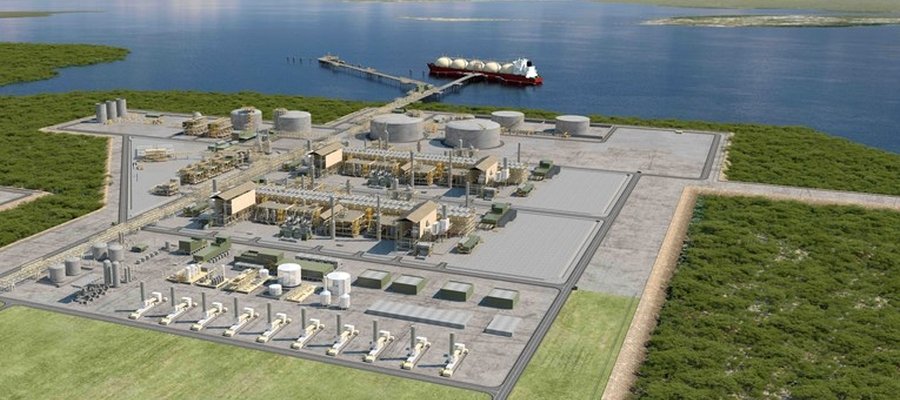
FLNG and Onshore LNG in Mozambique: Why a 50–50 Hybrid Strategy Would Have Been the Prudent Choice from Day One
Why Mozambique Should Have Followed the Guyana Playbook: FLNG First, Onshore Later
In the last decade, ExxonMobil’s strategy offshore Guyana has become a benchmark for rapid, de‑risked development: one FPSO per year, scaling from Liza Destiny (2019) to Liza Unity (2022), Prosperity (2023), and ONE GUYANA (2025).
This modular, disciplined approach pushed Guyana beyond 900,000 barrels/day in under five years.
But while this floating‑first strategy turned Guyana into a global deepwater success story, Mozambique took a different path — tying its massive Area 1 and area 4 gas discoveries to an onshore LNG complex in Afungi: remote, infrastructure‑poor, and ultimately disrupted by instability.
Offshore, the contrast was striking:
Coral Sul FLNG came online in 2022 and performed flawlessly, while Coral Norte will add another 3.6 mtpa by 2028.
A smarter path: a 50–50 hybrid strategy
What if Mozambique had matched Guyana’s disciplined offshore model?
50% of total LNG via serial FLNG units
50% onshore, only after the region stabilizes
A “one FLNG per year” plan from 2022 would have unlocked the production of over 50 million tons of LNG by 2026 — while onshore produced zero in the same period.
Why floaters win in remote or high‑risk regions
✔ Built safely in shipyards
✔ Installed offshore, away from instability
✔ Modular, repeatable, low‑risk
✔ Fast time‑to‑market — perfect for capturing price cycles
✔ Ideal for regions like Afungi — remote and vulnerable
Guyana proved that serial offshore development works.
Mozambique shows that in remote or unstable regions, floaters aren’t a backup plan — they are the smartest, safest first step.
When the land is uncertain…
🚢 Go to sea.
#FLNG #FPSO #LNG #Mozambique #Guyana #EnergyTransition #OffshoreEnergy
#FloatingSolutions #OilAndGas #Deepwater #Engineering #ProjectExecution
#EnergySecurity #MaritimeEngineering #FloatersIntelligentia
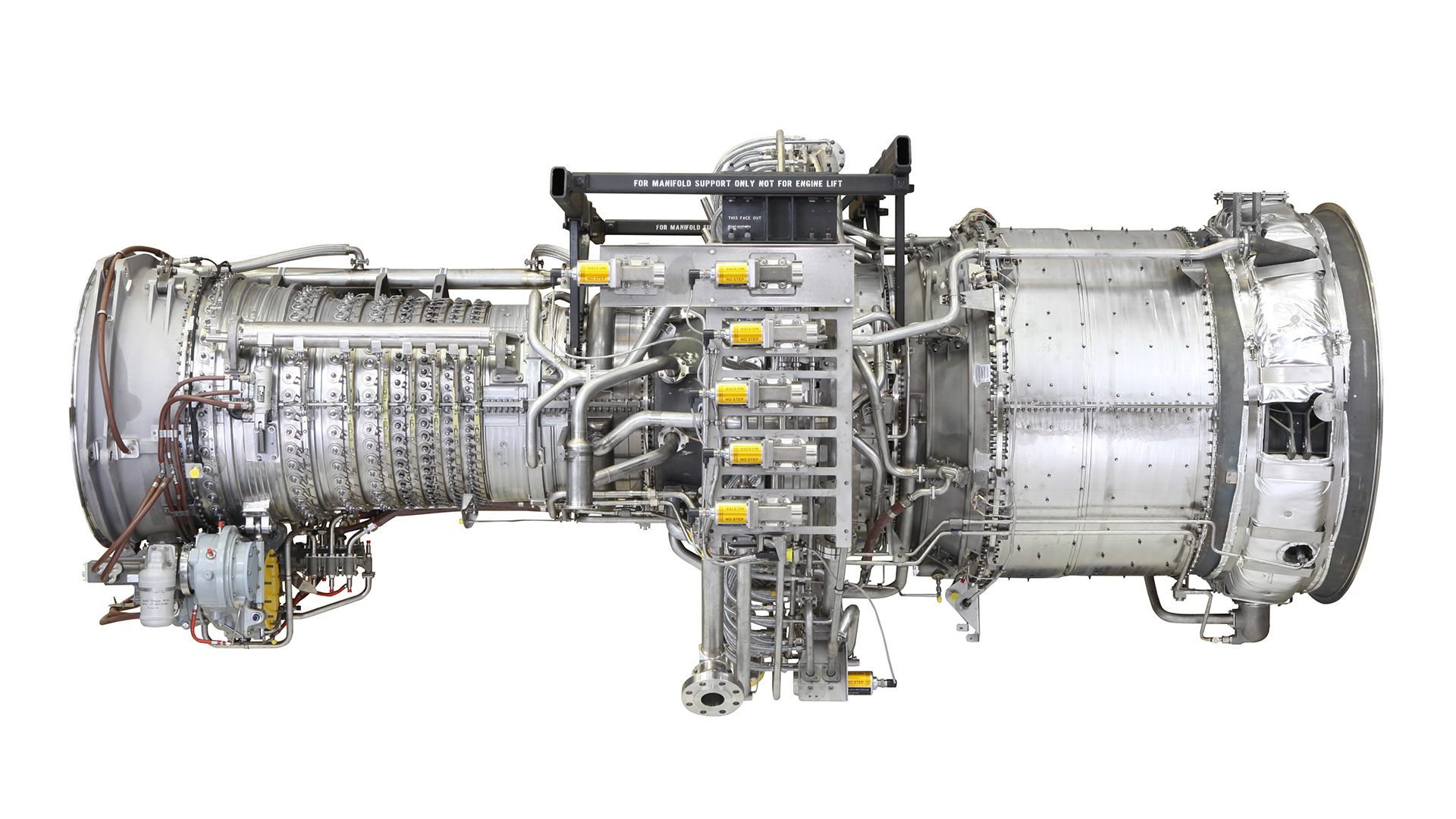
Aeroderivative Gas Turbines on FPSOs & FLNGs: SAC vs DLE and What Emissions Rules Mean for Your Choice
Gas Turbines: The Powerhorse Behind Every FloaterOn FPSOs and FLNGs, gas turbines aren’t just another piece of equipment—they’re the heart of the operation. Even as dual-fuel diesel generators appear on new designs, large compressors for LNG refrigeration and export remain turbine-driven.But here’s the catch:Choosing between SAC (Single Annular Combustor) and DLE (Dry Low Emissions) at project kickoff can shape your entire execution strategy. It impacts: ✅ Emissions compliance✅ Commissioning duration✅ Time-to-marketKey insight:SAC = fastest commissioning (months ahead of DLE), ideal when emissions rules are minimal.DLE = built-in low NOx, but adds complexity and tuning time.SAC + SCR = strict compliance, but longest schedule hit.📊 Decision Matrix:(Emissions vs Speed to Market)Why it matters:With tightening EU/UK/US/Norway regulations, DLE or SCR may be unavoidable—but if your project’s priority is first gas fast, SAC can still win the race.👉 Read the full analysis on Floaters Intelligentia at link below
Living Quarters: The Heart of Safety and Comfort on FPSO & FLNG Units
Living Quarters: More Than Just Comfort on FPSO & FLNG Units
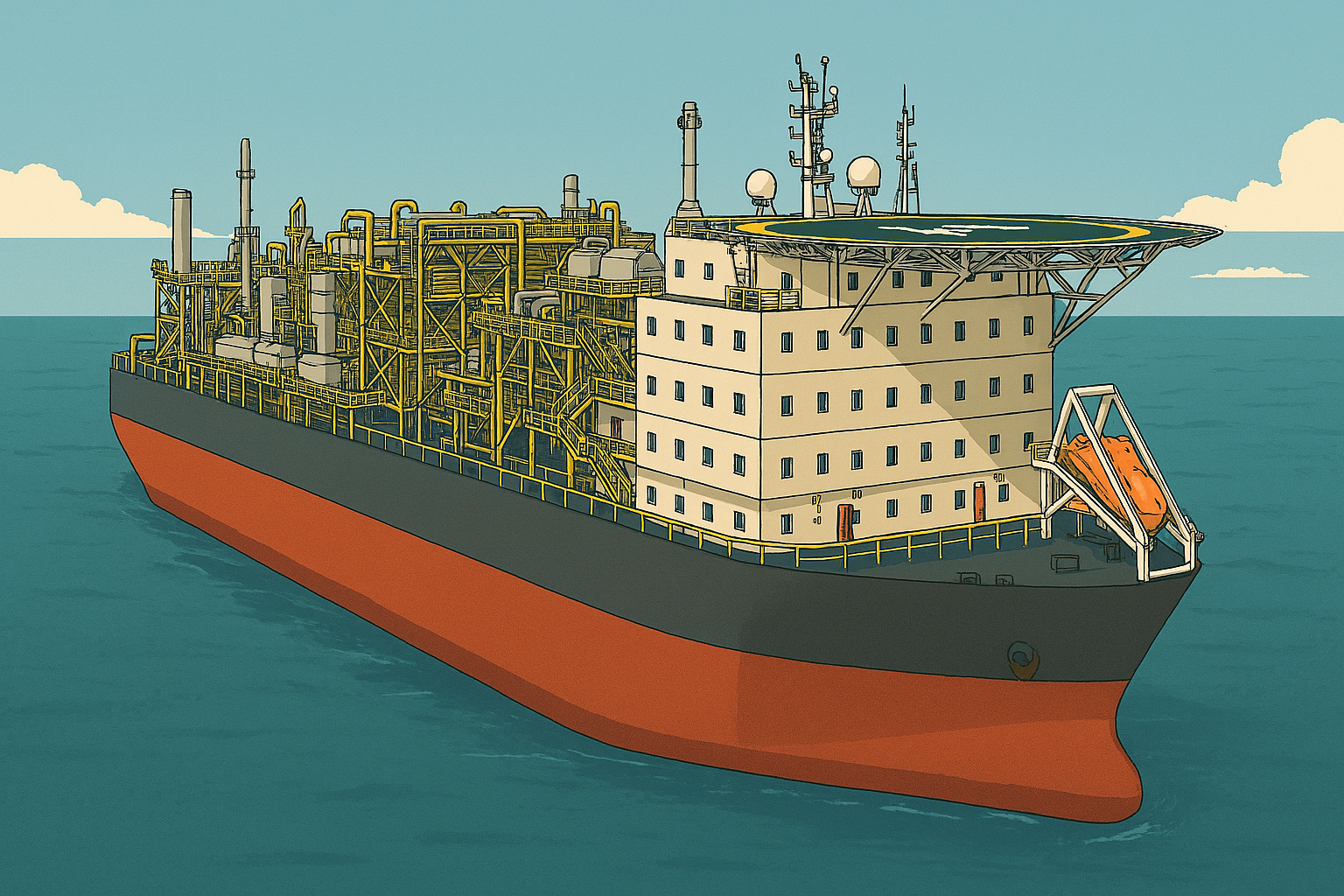
At first glance, the Living Quarters (LQ) might look like the fancy part of an offshore vessel—a place with cabins, lounges, and a helideck on top. But the reality is very different.
✅ LQ is the lifeline of offshore operations.
It’s where safety meets engineering complexity:
Fire-rated and blast-protected structures
Redundant HVAC systems with positive pressurization
Integrated telecom hubs and emergency control points
Helideck designed to CAP437 standards
Whether part of a new build or an FPSO refurbishment, LQ design is about more than a canteen and a gym. It’s about creating a haven that allows offshore teams to rest, recover, and maintain a healthy mindset in one of the harshest environments on Earth.
Key Takeaway:
Living Quarters are not just accommodation—they are the strategic heart of offshore energy projects.
📌 Read the full article on Floaters Intelligentia
LNG Containment Technologies in FLNG: Comparing GTT, SPB, and MOSS Tanks
🚢 LNG Containment Systems in FLNG: GTT vs SPB vs MOSS (UPDATED FEBRUARY 2026)
As FLNG projects scale globally, the choice of LNG containment technology has become one of the most strategic decisions in project design, EPC execution, and lifecycle performance.
Floaters Intelligentia has just published a fully updated comparison of the three dominant tank technologies used in FLNG units:
🔹 GTT Mark III membrane systems
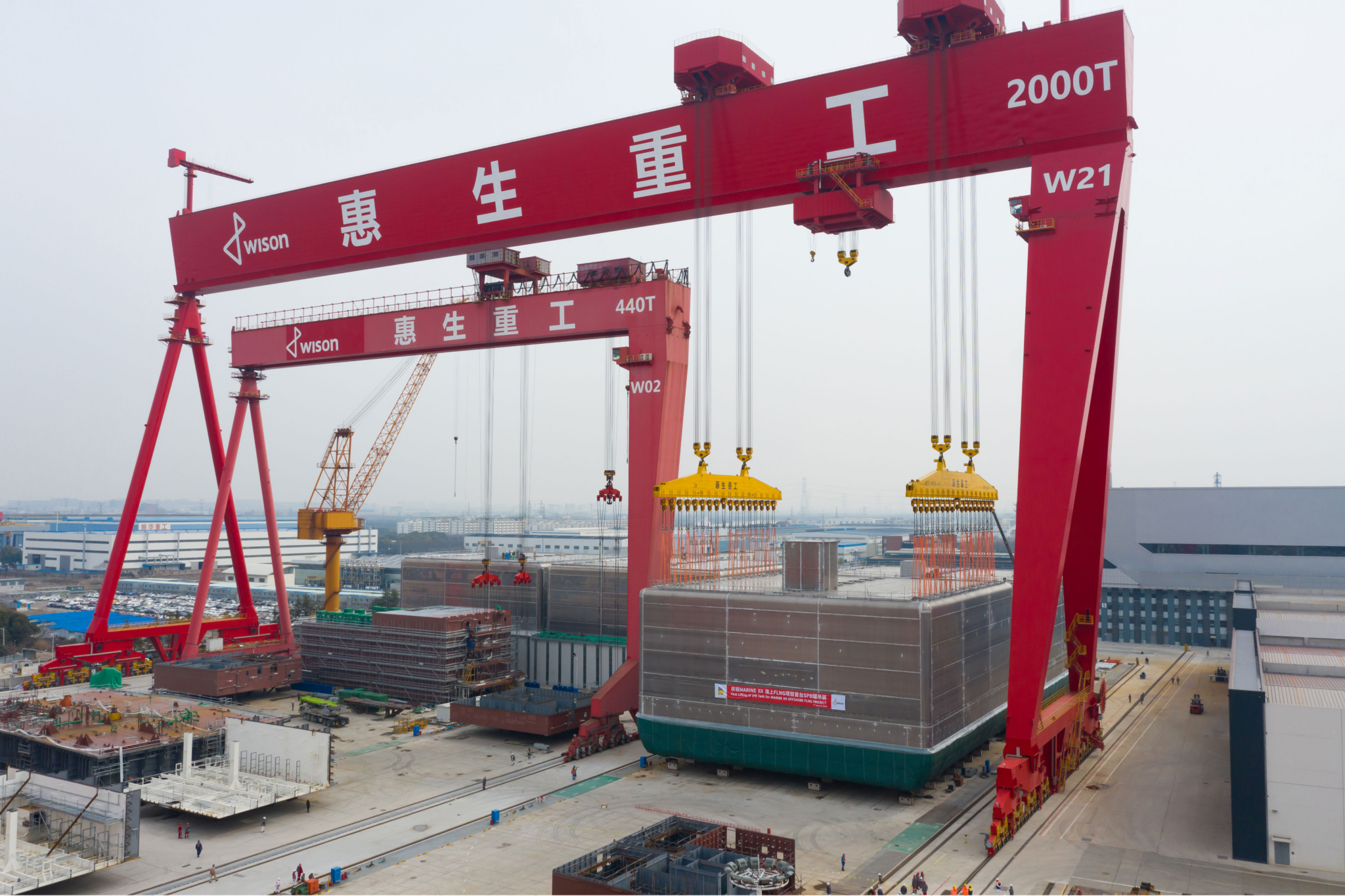
🔹 SPB (Self‑Supporting Prismatic Type B)
🔹 MOSS spherical tanks
The article examines how each technology impacts:
✅ Construction sequence & yard strategy
✅ Thermal and structural performance
✅ Sloshing resistance and operational envelope
✅ CAPEX, schedule risk, and maintainability
✅ Suitability for newbuild vs conversion FLNG units
Key insights:
✨ GTT membrane systems remain the benchmark for newbuild FLNG thanks to high shape efficiency and parallelized installation (hull completion followed by in‑hold panel installation), supported by a mature global yard ecosystem.
✨ SPB tanks—pioneered by IHI and now featured on Wison’s Nguya FLNG for Eni—demonstrate fast‑track potential at the module level when tanks are fabricated off‑hull and integrated as a package. However, SPB installation sits on the dry‑dock critical path and requires heavy lifts, so the overall schedule advantage depends on yard capability and execution readiness.
✨ MOSS tanks continue to play a vital role in FLNG conversions (e.g., Gimi), offering outstanding sloshing resistance but lower volumetric efficiency, which makes them less common in newbuild FLNG.
This updated piece includes:
📌 A revised technical comparison table
📌 A detailed construction & integration section
📌 Thermal management analysis (cofferdams vs void systems)
📌 A full set of APA‑formatted references
📌 Updated field examples from Prelude, Coral Sul, Coral Norte, PFLNGs, GTA Gimi, Nguya, and Genting FLNG
🔍 If you work in FLNG development, EPC execution, naval architecture, or LNG operations, you’ll find practical insights drawn directly from real projects and shipyard practices.
👉Read the full article below: